tldr: QA isn't a tooling problem. It's a cognitive load problem. The fastest way to solve it is to stop managing it entirely. Hand it to forward-deployed QA engineers who use AI in software testing to deliver end to end test automation from week one. No hiring. No tool purchases. No infrastructure setup.
You're not slow at shipping. You're slow at trusting your deploys.
Your team ships fast. Cursor, Claude Code, Copilot. Features land in days, not sprints.
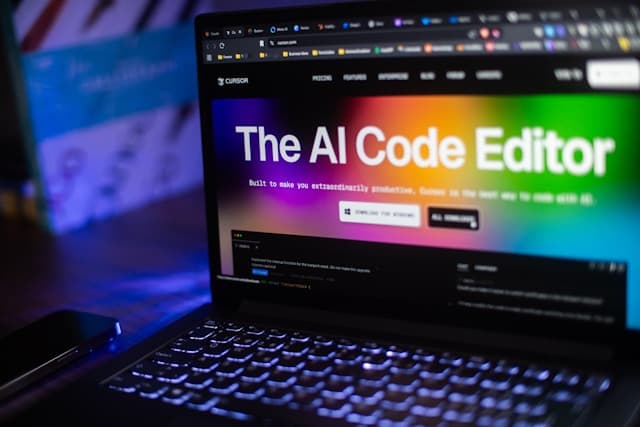
But deploys still feel risky. You merge the PR. Watch the pipeline. Check Slack. Refresh the dashboard. Wait for the ping. The bug doesn't have to exist. The possibility is enough.
This is the anxiety tax. It compounds with every release. It turns Friday deploys into Monday deploys. It makes your team hesitant when they should be confident.
The obvious answer: hire a quality assurance automation engineer. Evaluate AI testing tools. Buy test automation solutions. Set up infrastructure. But that path has its own cost.
Job posts. Interviews. Offer negotiations. Notice periods. Onboarding. Codebase ramp. Then the tooling spiral. Evaluating best AI testing tools 2025 lists. Comparing free AI testing tools against enterprise platforms. Configuring browser grids. Integrating with CI. You're looking at 4-6 months before meaningful output. You're shipping unprotected that entire time.
I believe the right move is to stop building a QA department and start subscribing to a QA outcome.
What quality assurance automation looks like without the overhead
Forward-deployed SDETs and QA engineers join your workflow. Not beside it. In it. Pre-trained on your stack, your product, your critical flows.

No tool procurement. No license negotiations. No browser grid subscriptions. No CI pipeline plumbing. No spending weeks comparing top-rated AI test automation solutions or reading AI testing tools news to figure out what to buy. That's all handled.
Here's the loop:
-
Plan. Your FDE team maps critical user flows and builds a test strategy around your product.
-
Generate. Generative AI testing tools create test cases from natural language descriptions. Agentic AI in software testing navigates your app, understands intent, and writes assertions that match real user behavior.
-
Self-heal. Your UI changes. Selectors break. The AI adapts. No manual fixes. No flaky runs.
-
Verify. AI driven testing tools handle execution. Your FDE team verifies results with human eyes on every run. Judgment where it matters.
-
File. Bug reports include video recordings, screenshots, network logs, console output, and repro steps. Not "test failed." Context your engineers can act on in minutes.
-
Gate. Nothing ships without green tests. Your releases are blocked until quality is confirmed.
Private Slack channel. Weekly reports. Timezone overlap.
Week one: critical flows covered. Week four: full regression suite running on every PR.
No AI in software testing course required. No weeks of upskilling. Your FDE team already knows how to use AI in software testing. They operate the most efficient AI test automation solutions so your engineers never have to.
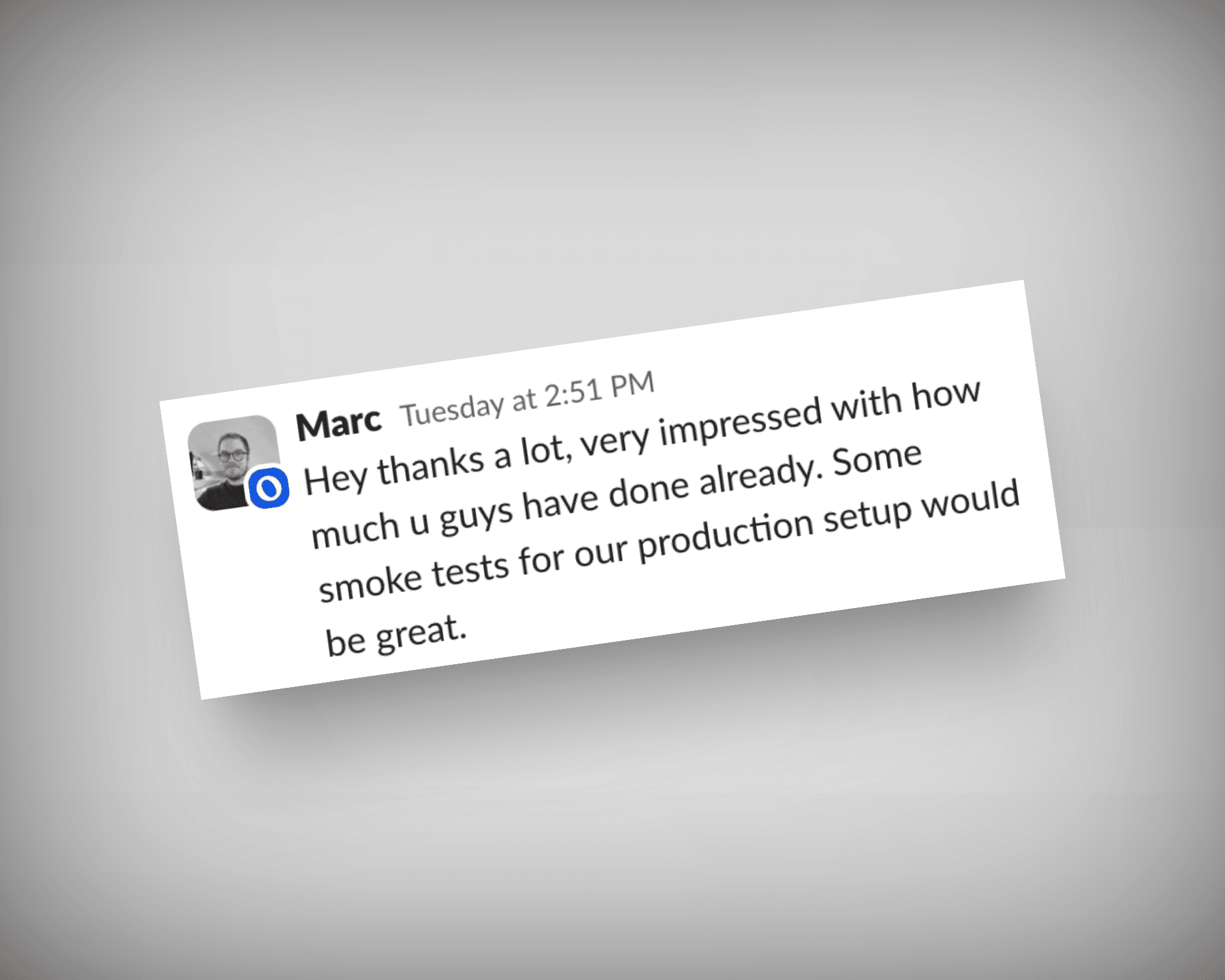
Your team gets value before a new hire would finish onboarding
Traditional path: hire a quality assurance automation engineer or SDET. 4-6 months to first real output. Job post, interviews, offer acceptance, notice period, onboarding, codebase ramp. Then tool selection. Evaluate quality assurance automation tools. Negotiate licenses. Configure infrastructure. Integrate with CI.
Every week in that window is a week you ship without coverage.
Managed QA path: results in your first week. Forward-deployed SDETs start covering critical flows immediately. Full end to end test automation within a month. End to end testing best practices applied from day one, not after six months of trial and error.
The benefits of AI in software testing compound when you remove the setup cost. No evaluating software quality assurance automation platforms. No debating open source AI testing tools versus paid. No maintaining infrastructure you didn't want to own in the first place.
The real saving isn't salary. It's the 4-6 months of risk you skip entirely. Plus the tooling budget you never spend. Plus the maintenance burden you never carry.
Your engineers stop context-switching into QA. They stop triaging flaky tests. They stop maintaining brittle scripts from three frameworks ago. They build product.
The role of AI in software testing has changed. Automated testing with AI handles execution and maintenance at scale. But someone still needs to plan coverage, verify results, and make judgment calls on what's a real bug versus a test issue. That's what your forward-deployed QA engineers do. The AI does the work. The humans do the thinking.
As your product grows, your coverage grows with it. New flows. New surfaces. New capabilities. Same team. Same reports. Same confidence…
FAQs
How does AI in software testing change quality assurance automation?
Generative AI in software testing removes the script-writing bottleneck. Gen AI testing tools generate test cases from plain English descriptions of user flows. Agentic AI navigates your app dynamically instead of following hardcoded selectors. Tests self-heal when your UI changes. The role of artificial intelligence in QA has shifted from assisting test creation to owning test execution and maintenance entirely.
What do the forward-deployed QA engineers actually do?
Plan tests. Generate with AI. Verify with human eyes. File bugs with full context. Gate releases. SDETs and QA engineers who work in your sprint, not beside it. Pre-trained on Playwright and AI-native test automation solutions. Think of it as your AI QA engineer who shows up ready on day one.
How fast can a managed QA team reach full coverage?
Results in week one. 100% critical flows covered in weeks. Full end to end test automation within 4 weeks. Compare that to 4-6 months for a new hire to ramp, plus additional weeks for tool procurement and infrastructure setup. End to end testing best practices from day one, without the learning curve.
Do we need to buy any quality assurance automation tools?
No. Testing platform, browser infrastructure, CI integration, parallel execution, AI credits. All included. No evaluating gen AI testing tools versus legacy platforms. No comparing AI testing tools open source versus paid. No license management. No infrastructure maintenance. The best low-code AI test automation solutions, operated by engineers who know using AI in software testing inside and out.
What types of applications do you cover?
Web apps, SaaS platforms, internal tools. End to end test automation across login, onboarding, checkout, dashboards, and integrations. Your FDE team also supports testing for voice AI agents and chat AI agents built on platforms like Vapi, Retell, Intercom Fin, and Zendesk AI. The best AI testing tools for automated bug detection, built into every test run.
What if we want to run some tests ourselves?
Managed QA customers get full access to Bug0 Studio. Create and manage tests anytime. The FDE team handles the heavy lifting, but you're never locked out.
How is this different from a quality assurance automation testing company?
Outcome-based, not hourly. AI-native with self-healing tests, not manual scripts. Forward-deployed SDETs embedded in your workflow, not an offshore team working from a spreadsheet. Gen AI in software testing powers the platform. Human engineers verify the results. Weeks to full coverage, not months.